 Tel:
Tel: 07092
07092 Twitter
Stress and distress
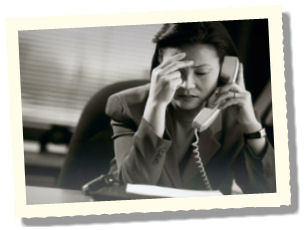
We say we're 'stressed' when we feel we can't meet the demands made of us. It's often hard to talk about stress, as it can be seen as a weakness by people. In many jobs people are afraid to talk about their stress levels in case others think they're 'not coping'.
A little pressure is important to us all as it helps us do some things better. However, too much pressure or prolonged pressure can lead to stress, which is unhealthy for the mind and body. Of course it's not just being too busy that can make us stressed, sometimes not having enough to do can also cause us stress ('rust-out').
Too much stress, either suddenly (perhaps due to an accident or an unexpected event) or over a longer period (for example, due to too much pressure at work, from constant worry or from being in a difficult relationship) can make us ill. Follow the link to rate your stress using the Psychological Stress Measure PSM-14.
Everyone's different
Everyone reacts differently to stress and everyone has their limits. Too much stress can lead to physical, psychological and emotional problems. We all find different things stressful - while speaking in public may terrify some people, others seem to take it in their stride. The things that cause us stress can be very personal, even unique to us. the Holmes-Rahe scale helps us appreciate the impact of life changes on our stress levels. Follow the link to take the Holmes-Rahe SRRS to rate your life event stress score.
Why we get stressed
So that the body can respond quickly, many of its control mechanisms work without us having to think about them. For example, we don't have to remember to keep our heart beating, or to digest our food. These things happen automatically. Other things, such as the rate at which we blink our eyes or breathe happen mostly automatically, though we can choose to change these things (to a certain extent) at will. This automatic control of systems in our body is managed by a network of nerves called the 'autonomic nervous system'.
When we're in a stressful situation our body releases chemicals into our bloodstream to help us to deal with the situation. However, when we're in a situation that stops us from fighting or running, such as being in a crowded room, these chemicals aren't used up.
If the chemicals released during stressful situations aren't used, we rapidly begin to feel their effects. A build-up of adrenaline and noradrenaline increases our blood pressure, heart rate and makes us sweat. Cortisol prevents our immune system from working in the usual way, as well as releasing fat and sugar into our bloodstream. We are all prepared for action, but often we can't just run or fight our way out of problems, and we feel anxious as a result.
The 'fight, flight or freeze' response happens quickly, in fractions of a second, yet it can take hours for us to return to normal. If something else triggers the response before we have fully calmed, we can become chronically stressed, as one stress adds onto another. Often there is no one particular reason for becoming stress, as it's caused by a build-up of many small things.
Signs of stress
Everyone reacts to stress differently, but there are some effects we can all recognise. In times of extreme stress we may tremble, hyperventilate (breathe faster than normal), perhaps even vomit. If we are chronically stressed we may:
- Having periods of irritability or angry outbursts
- Feeling apathetic or depressed
- Feeling constant anxiety
- Behaving irrationally
- Losing our appetite
- Overeating for comfort
- Losing our ability to concentrate
- Losing our sex drive (libido)
- Increasing our addictive behaviours (smoking, drinking, risk taking etc.)
Chronic stress may also have physical effects, which may result in:
- Feeling tired all the time
- Skin problems, such as rashes or eczema
- Neck ache, backache and tension headaches
- Increased pain from arthritis and other long-term conditions
- Feeling our heart beating too fast
- Feeling sick
Short-term stress goes away when a difficult situation changes. Most of us can cope with short periods of stress in our lives. Chronic (long-term or continuous) stress can be much harder to deal with, and can be psychologically and emotionally damaging - not only for us, but also for our friends and family.
The Serenity Programme is designed to help restore balance in our lives, and to help us take care of ourselves during times of stress, to help reduce the harm that the fast and sometimes relentless pace of 21st century living can cause.
It is important to understand that many factors other than stress can cause some of the 'symptoms' listed above. Diagnoses can only be provided by appropriately trained health professionals. If you're concerned in any way about your symptoms, please consult with a trained professional.
Thanks for reading to the end,
Best wishes to you


Page last updated: Monday, January 4, 2016